Why the Video Call Carries More Weight
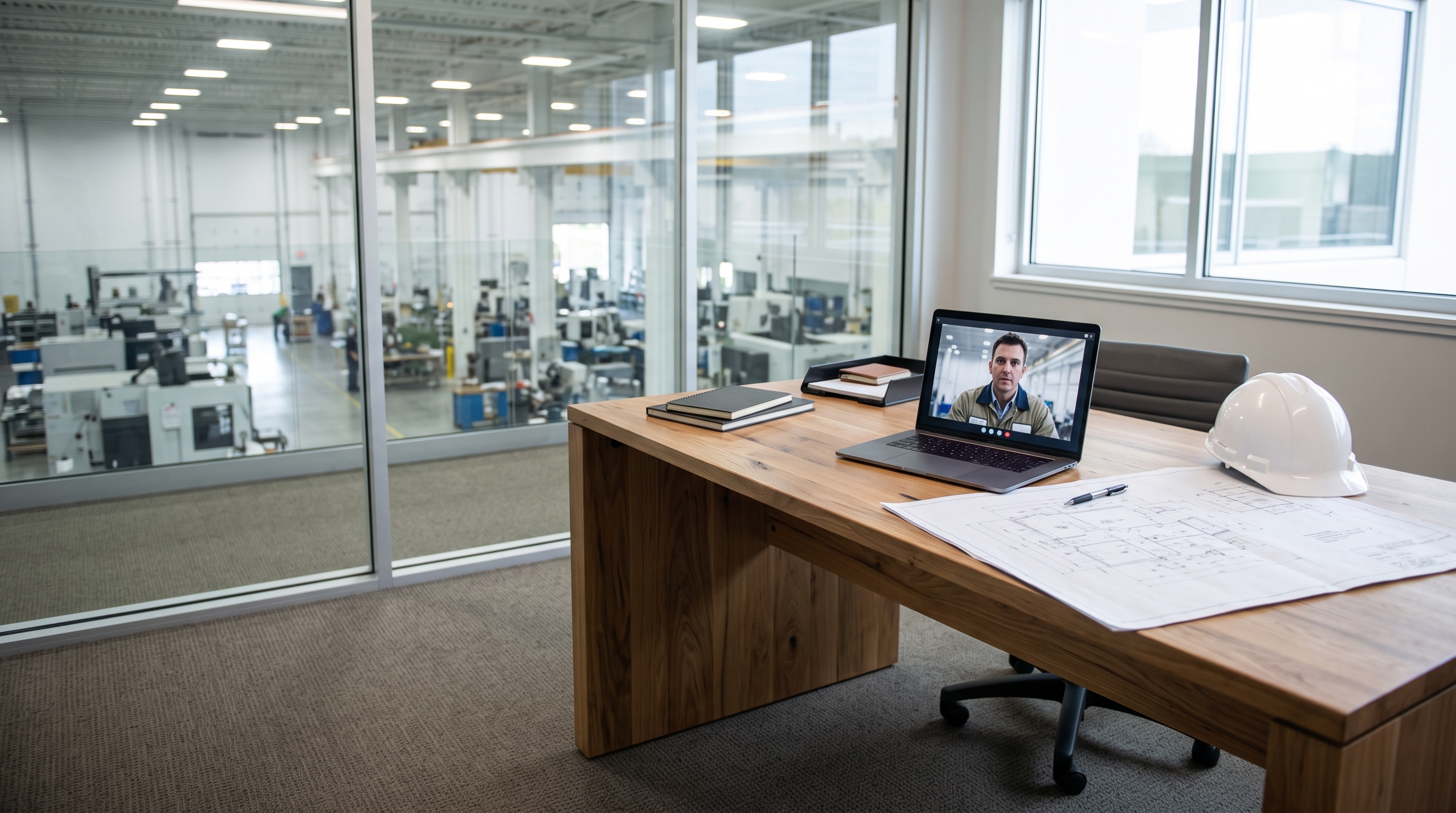
In a local search, a video screen is often a first filter before an on-site visit. In a cross-border engineering search, the video interview can end up doing the work of the on-site: the technical assessment, the meeting with the plant manager, and the candidate's only look at the people they would work with. Flying a candidate in before an offer is possible, but some plants decide on the strength of what they saw on screen.
That puts two jobs on one call. You need enough evidence to judge the engineer's technical judgement, and the engineer needs enough information to judge whether they want to move their life to your town. A call built only for the first job tends to lose strong candidates on the second.
Before the Call: Five Things to Settle
The time, in both time zones. Write the start time in the candidate's local time and in yours. Most of Mexico stopped changing clocks in 2022, while U.S. plants still do, so the gap between Querétaro and a Central Time plant changes twice a year. Border cities such as Tijuana and Ciudad Juárez still follow U.S. clock changes.
The language of the interview. Tell the candidate in advance whether the call will be fully in English, and whether any part can be in Spanish. Engineers prepare differently for each, and a surprise switch measures nerves rather than ability.
Who will be on the call. Send each panelist's name and role. An engineer who knows the maintenance manager and the reliability lead will both be there can prepare examples for each.
The platform and a backup. Use a platform the candidate can join from a browser without installing anything, and agree on a phone number to call if video drops.
An agenda with times. A short outline, for example introductions, technical discussion, plant overview and questions, lets the candidate pace their answers and shows that your team runs organized meetings.
The U.S. returns to standard time on the first Sunday of November. For the weeks around that date, double-check every calendar invitation by hand. A candidate who joins an hour early or an hour late because of a calendar conversion has not shown you anything about their engineering.
Decide What You Are Testing
Agree as a panel, before the call, on what the interview needs to establish. Three areas cover most plant engineering roles, and each needs its own evidence.
Engineering judgement
How the candidate reasons through a problem they have actually faced: what they measured, what they ruled out, what they changed, and what happened next.
English for this job
The level the role actually needs, decided in advance. Reading a work order and explaining a fix to a technician is a different requirement from presenting to corporate leadership.
Fit with the plant
How the candidate works with operators, technicians and other engineers, and whether the shift pattern, location and growth path match what they are looking for.
Keep these areas separate on the scorecard. Accent and occasional searching for a word say very little about engineering judgement, and a panel that scores them together tends to undervalue strong engineers.
A Structure That Works
Open with the role and the plant
Spend the first few minutes describing the line, the products and the problems this engineer would own. It settles the candidate and gives them context for every answer that follows.
Ask for one project in depth
Choose a single project from the CV and go deep: the equipment, the data, the decision and the result. One project explored properly tells you more than five summarized.
Run a technical scenario
Present a real problem from your plant, simplified and anonymized, and ask the candidate to talk through how they would approach it. Ask follow-up questions rather than waiting for a perfect final answer.
Show the plant
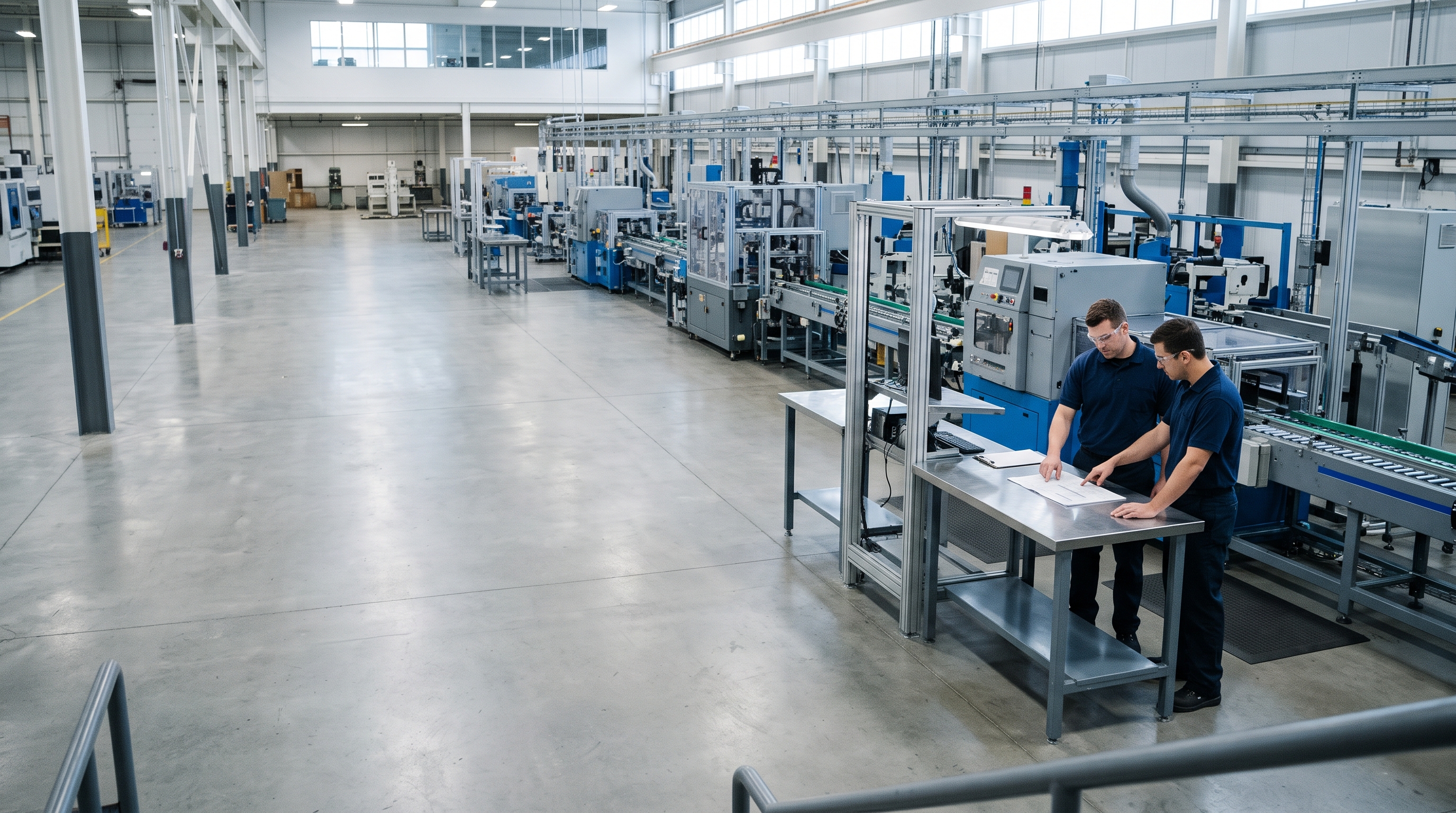
A few minutes of video from the floor, or a set of photos of the line, the maintenance shop and the engineering office, answers questions the candidate may not think to ask.
Leave real time for their questions
Protect at least ten minutes at the end. The questions an engineer asks about shifts, training, tools and the team are evidence too.
Running the Technical Portion Over Video
Video limits some formats and makes others easier. These four work well on a shared screen.
Share a simplified mechanical drawing, electrical schematic or P&ID and ask what the candidate would check first, or what they see that concerns them.
Describe a recurring breakdown with the data you had at the time, and ask how they would find the root cause and stop it coming back.
For controls roles, share a short section of ladder logic or an HMI screen and ask the candidate to explain what it does and where it could fail.
Invite the candidate to share a non-confidential drawing, report or photo of their own work and walk the panel through it.
Send any file the candidate will need a day ahead, or share it on screen during the call. Avoid timed tests that depend on a stable connection, since a dropped call then measures the internet rather than the engineer.
Mistakes That Lose Good Candidates
Panelists joining late or off camera
The candidate is judging your team as closely as you are judging them. A panel with cameras off, or people dropping in and out, reads as a plant that does not take the hire seriously.
Scoring the connection, not the candidate
A frozen frame or a noisy neighborhood says nothing about engineering. If the connection is poor, switch to audio, reschedule the technical portion, or both.
Questions that have no place in an interview
Questions about family plans, age or national origin do not belong in any interview. Questions about work authorization should follow the same wording your HR team and counsel use for every candidate.
Going quiet after the call
Strong engineers may have other conversations under way. Tell the candidate when they will hear from you, and keep that date even if the answer is that the decision needs more time.
After the Call
Collect each panelist's scores before the group discusses the candidate, so the first opinion voiced does not set the result. Compare notes against the three areas you agreed on, and decide whether you have enough evidence or need a second, shorter call on one area.
If the candidate moves forward, keep the role you described on the call consistent with the job description and offer letter. A TN case is filed under a specific professional category, and the candidate will later describe the role to a consular officer. Your immigration attorney, not the hiring panel, confirms whether the role and the candidate's degree fit the category.
Plan the logistics in both time zones, decide what you are testing, go deep on real engineering problems, show the plant, and follow up when you said you would. The same habits that give you better evidence also make your plant the one the engineer wants to join.
This article is informational only. ACE & Bridgewell is not an immigration law firm and does not provide legal advice. TN visa requirements can change and individual circumstances vary. Always work with a qualified immigration attorney for guidance specific to your situation.