Two Industries, Two Rhythms
Many Mexican engineers start their careers in automotive. The supplier plants in the Bajío, Coahuila, Nuevo León and Chihuahua have trained a generation of quality, process and manufacturing engineers. Others come up through food, beverage and packaging plants, which operate across the country. When a U.S. role appears in the other industry, the question comes up quickly: will my experience count, and will I like the work?
The short answer is that the engineering fundamentals carry over. What changes is what the plant worries about most, who your customer is, and what a bad day looks like. This guide walks through both so you can decide with your eyes open.
In automotive, the hardest question is usually "is this part exactly right, every time, for a customer who audits you?" In food and beverage, it is usually "is this line safe, clean and running, right now?" Both are engineering. They reward different temperaments.
What Engineering Work Looks Like in Automotive
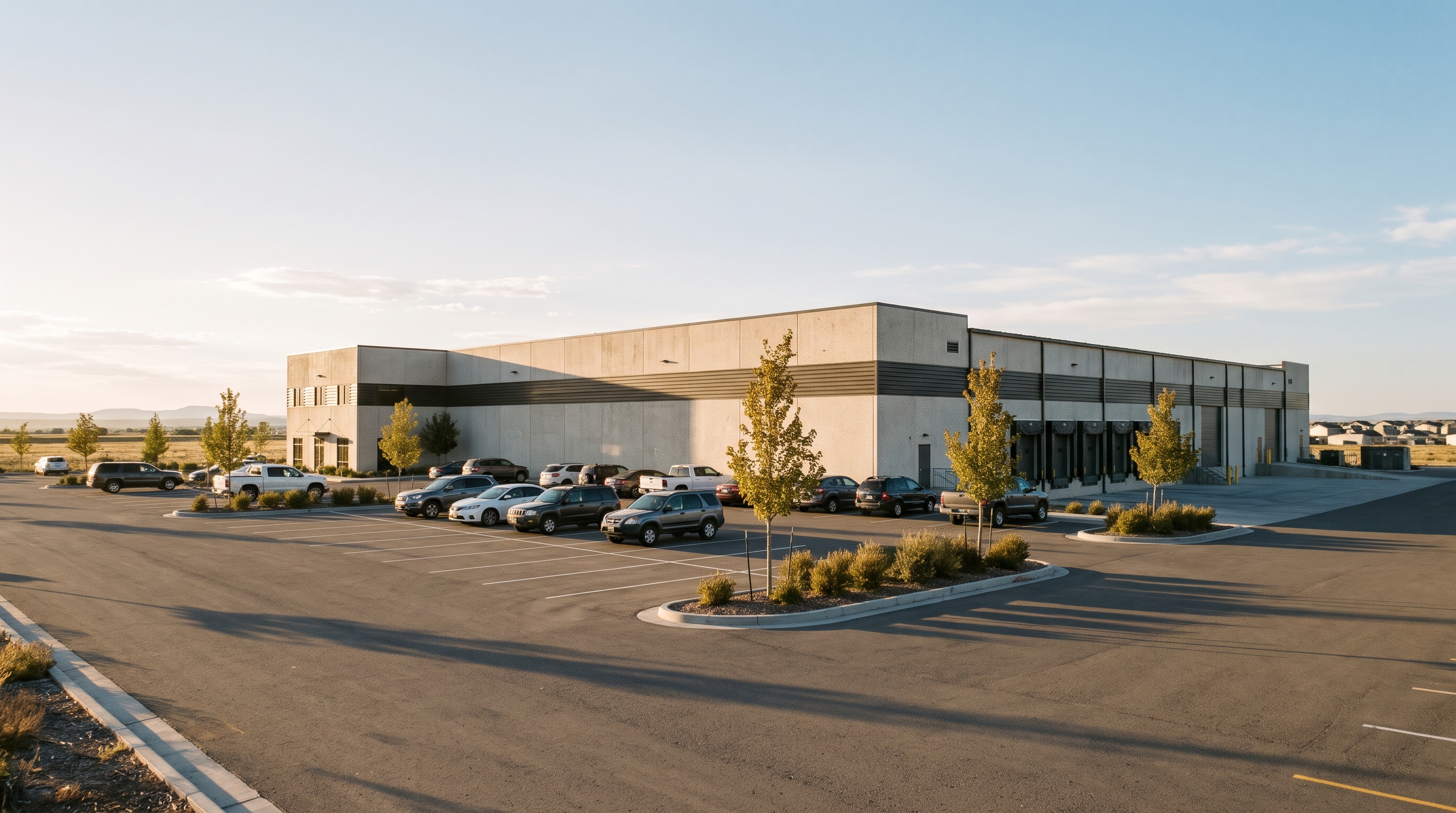
Most engineering seats in U.S. automotive manufacturing sit at suppliers, not at the vehicle assemblers. A Tier 1 or Tier 2 plant makes components to a drawing and ships them to a customer who sets the rules. That shapes almost everything about the job.
- Quality systems are formal. Plants usually work under IATF 16949, and the customer expects the AIAG core tools: APQP, PPAP, FMEA, MSA and SPC.
- Launches drive the calendar. A new program means tooling trials, capability studies and a PPAP submission on a fixed date set by the customer.
- Tolerances are tight and documented. A dimension out of specification can stop a shipment, trigger a containment and put your name on an 8D report.
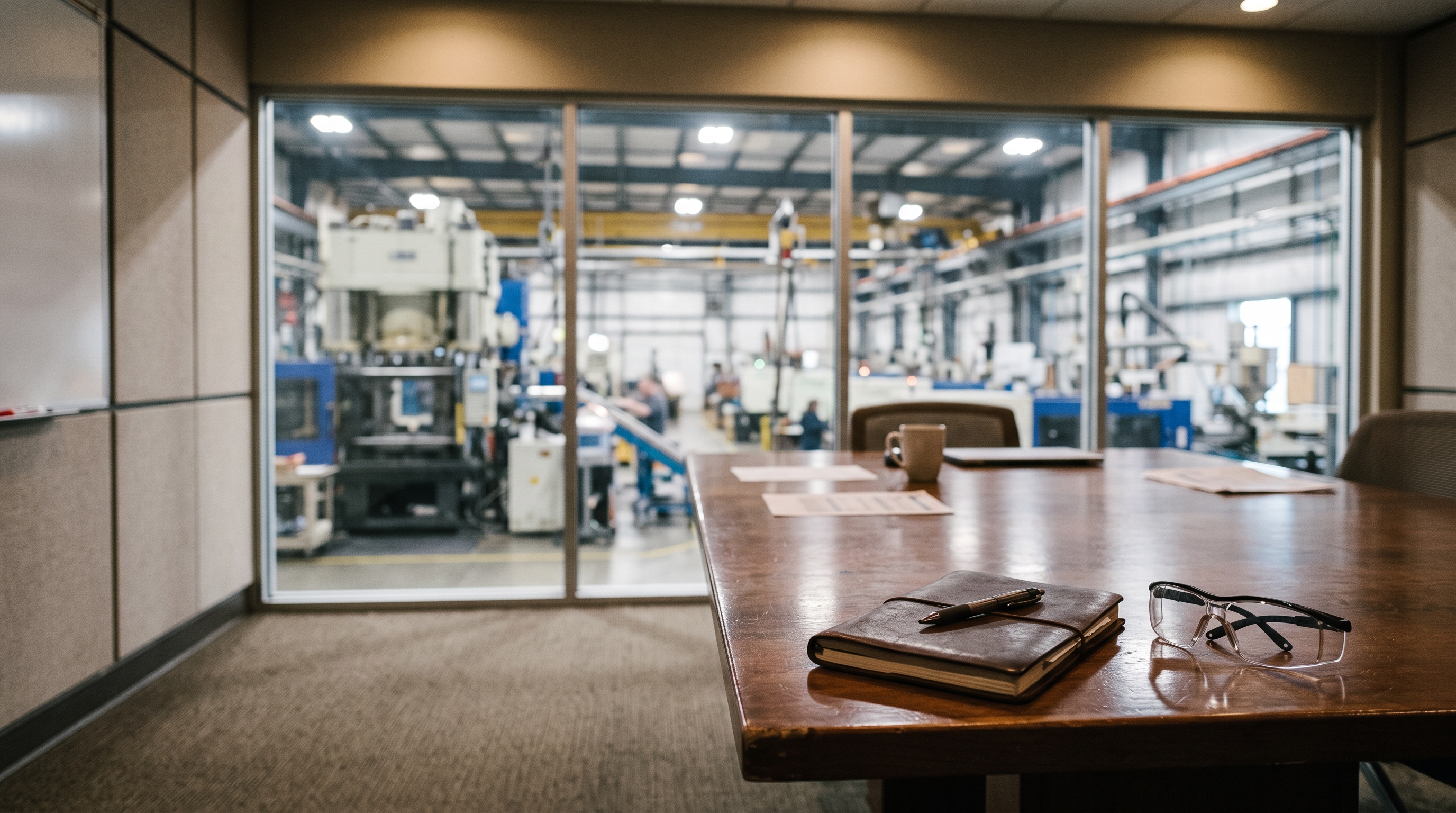
- Processes are often high volume: injection molding, stamping, machining, welding and assembly cells, with a constant push on scrap, cycle time and OEE.
Engineers who enjoy structure, data and clear rules tend to do well here. The pressure is real, but it is predictable: you usually know what the customer requires and when.
What Engineering Work Looks Like in Food and Beverage
A food or beverage plant answers first to food safety. Under the FDA's Preventive Controls for Human Food rule, part of the Food Safety Modernization Act, most registered food facilities must keep a written food safety plan with a hazard analysis, preventive controls, monitoring, corrective actions and verification. Meat and poultry plants work under USDA rules instead. Either way, food safety is not a department you visit. It is built into every change you make on the floor.
- Sanitation shapes the equipment. Washdown areas, stainless steel, hygienic design and cleaning cycles affect every repair and every modification.
- Changeovers matter. Switching flavors, package sizes or allergen profiles on the same line is a daily engineering problem, not an occasional one.
- Lines often run around the clock, with seasonal peaks. A filler or a refrigeration system down on a weekend is a normal event to plan for.
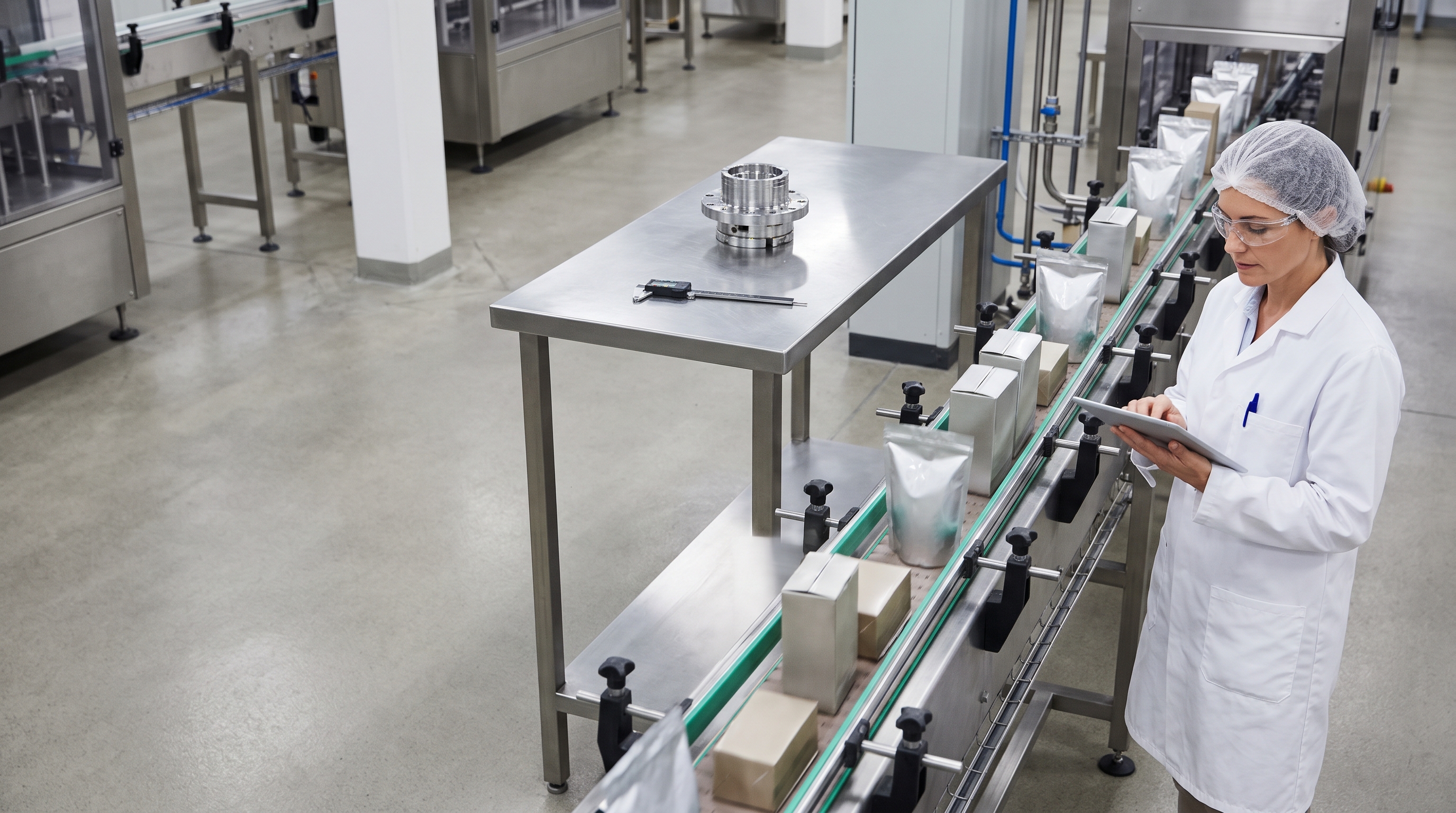
- The work mixes packaging, utilities and process: fillers, conveyors, pumps, boilers, compressed air, refrigeration and thermal processing.
Engineers who like hands-on problem solving, fast decisions and variety tend to enjoy this environment. The pace is less tied to a customer launch date and more tied to keeping production safe and moving every shift.
The Two Industries Side by Side
Every plant is different, so treat this as a general picture rather than a rule for any single employer.
| Area | Automotive supplier | Food and beverage |
|---|---|---|
| What the plant protects first | Part quality and on-time delivery to the customer | Food safety and line uptime |
| Main framework | IATF 16949 and the AIAG core tools | FDA or USDA food safety rules, GMPs and customer audits |
| Typical processes | Molding, stamping, machining, welding, assembly | Processing, filling, packaging, refrigeration, utilities |
| What a bad day looks like | A customer complaint, containment and an 8D | A line down mid-shift, or a sanitation or allergen issue |
| Work environment | Dry production floors, metrology labs, launch meetings | Wet or cold areas, washdown, frequent changeovers |
| Paperwork you will live with | PPAP files, control plans, FMEAs | Food safety plan records, sanitation and maintenance logs |
Which Disciplines Fit Where
Mechanical, industrial, electrical and mechatronics engineers are used in both industries. The differences are in the specialties around them. Automotive plants also lean on materials, metallurgy and plastics knowledge, because the product itself is the engineered part. Food and beverage plants lean on chemical, food process and utilities knowledge, because the product is made through a process that must be controlled and cleaned.
If you are considering a U.S. engineering role through the TN classification, the industry does not change the basic point: the role and your degree discipline have to line up. An immigration attorney reviews that for each case, not the industry you come from.
Before you choose, it helps to answer a few honest questions about yourself.
Do I prefer clear specifications and formal documentation, or fast decisions on a running line?
Am I comfortable working in wet, cold or washdown areas for part of my day?
Do I enjoy customer-facing quality work, such as audits, PPAP and 8D reports?
How do I feel about weekend coverage and seasonal production peaks?
Which of my past projects would I most like to repeat, and in which kind of plant did it happen?
Moving From One Industry to the Other
Switching industries is common, and it is easier than many engineers expect. Root cause analysis, preventive maintenance, PLC troubleshooting, lean tools and line balancing transfer directly. What you need to show is that you understand the new priority.
An automotive engineer moving to food should be ready to talk about hygiene, sanitation and how they would make a change without creating a food safety risk. A food engineer moving to automotive should be ready to talk about measurement, documentation and how they handle a customer complaint. In an interview, one concrete example of each is worth more than a long list of tools.
On your CV, describe results in terms the other industry recognizes. "Reduced changeover time on a filling line" reads well to both. "Led a PPAP submission" may need one line of explanation for a food plant.
Neither industry is the better choice in general. The better choice is the one whose daily problems you will still want to solve after the first year.
This article is informational only. ACE & Bridgewell is not an immigration law firm and does not provide legal advice. TN visa requirements can change and individual circumstances vary. Always work with a qualified immigration attorney for guidance specific to your situation.